How is the energy data landscape evolving?
Demand for energy and power data is increasing as investors continue to exploit increased volatility. Neudata highlights new names for tracking power generation, pricing and energy production.
May 5, 2026
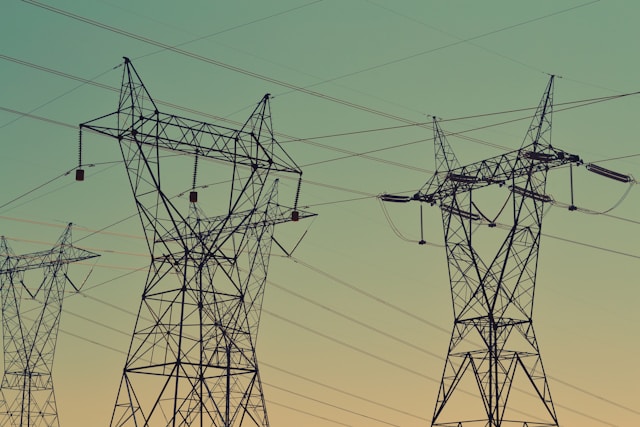
Energy data has been of interest in the last few years due to the evolving energy mix and greater increase in renewables production, creating a more fragmented energy system. Increasing energy demand, driven by data centres and geopolitical tensions, is creating supply-side tensions for traditional fuel sources.
In the midst of these developments, new data vendors have emerged, showing new perspectives on how to capitalise on a shifting market. In a recent report, Neudata covers established sources, like ISOs/RTOs, alongside more alternative approaches. It discusses new names across data aggregators of public sources, satellite-derived providers, and asset and company-level datasets.
Data aggregators
Data can be sourced directly from Independent System Operators (ISOs) across the US. ISOs are independent entities, tasked with maintaining electricity supply and demand balance and operating transparent whole markets for market participants.
These ISOs can provide grid operation and market data, including energy pricing, demand forecasts, generation data and transmission data. Neudata highlights three vendors which source directly from these operators. Data from these aggregators can be used to understand projected power supply, and to gain equity-level insights into companies’ planned capacity and completion dates.
Satellite-derived data providers
According to Neudata, satellite products have seen the strongest adoption among investors for commodity and energy-specific use cases. The prominent players in this space are differentiated by the type of imagery they provide and their additional sources; one provider, for example, incorporates drone imagery into its product.
While a common use case for satellite imagery is tracking oil inventories, the report points out an alternative provider which operates as a brokerage between tank terminal companies and suppliers of commodities in need of storage. It sells the exhaust data from its platform, providing directional demand indicators ahead of time based on the changing terminal-level pricing.
Among other satellite-focused providers with nice use cases for the energy industry is a data provider tracking iron ore and coal imagery using SAR imagery, and another which offers land use insights, such as identifying building floor plans.
Asset and company-level data
There are some newer vendors to Neudata’s platform which are applicable to power or commodity trading, but can also be used for equity-level analysis. This includes one vendor covering active and decommissioned oil and gas wells in North America, and another which forecasts energy companies’ operational cash flows.
Mining data
The report ends with some names in the mining space, which could provide insights into the supply of commodities for renewable energy assets (e.g. lithium) and track the production of energy sources such as coal.
One of the providers Neudata highlights uses satellite imagery to track activity levels related to seven commodities at mines, smelters and ports; another tracks mining projects from public filings, press releases and third-party providers, offering metrics on inventories, drilling activity and NPV.
Data users can request access to the full report here: The energy data surge: Revisiting an evolving landscape | Neudata Intelligence

Truth API: What we know about Truth Social's paid data feed
Aug 13, 2026
.jpg)
Data monetization insights and opinions
May 28, 2026
.png)